
How Yoga Can Help Manage Stress and Anxiety
In today’s fast-paced world, stress and anxiety have become common companions for many people. From work pressures to personal challenges, the reasons for stress are countless. But what if we told you there’s a natural, time-tested method to help you manage these feelings? Yoga, an ancient practice that harmonizes the body and mind, can be your sanctuary of calm amidst life’s chaos.
Understanding Stress and Anxiety
Stress and anxiety often stem from the body’s fight-or-flight response to perceived threats. While this response is essential for survival, prolonged activation can lead to physical and mental health issues like insomnia, high blood pressure, and even depression. Yoga can counteract these effects by activating the parasympathetic nervous system, which promotes relaxation and healing.
Yoga Poses for Stress and Anxiety Relief
Here are some yoga poses and techniques that can help you calm your mind and rejuvenate your spirit:
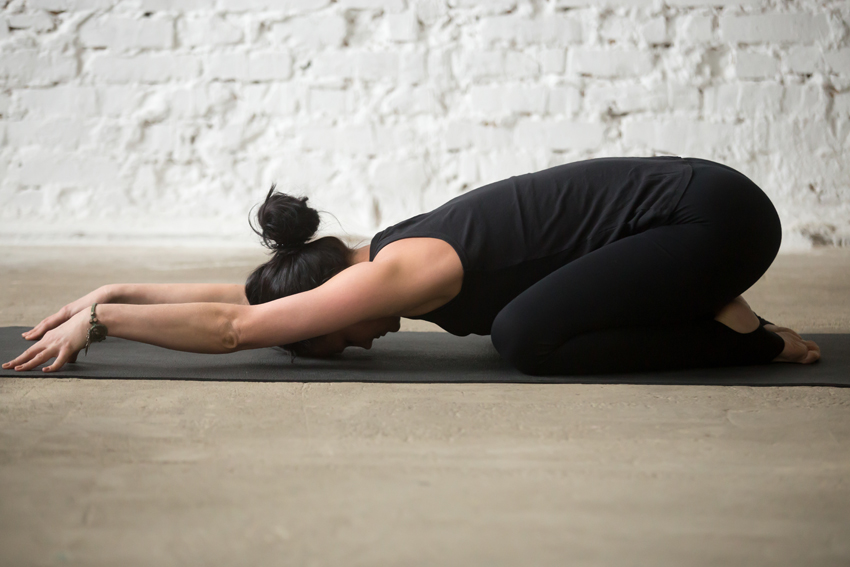
1. Child’s Pose (Balasana)
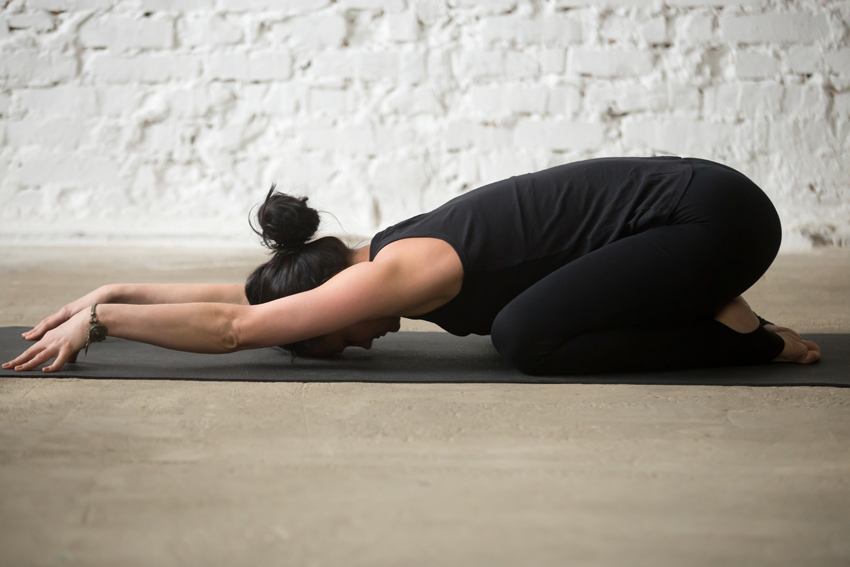
This gentle pose is perfect for relaxing the mind and releasing tension in the back, shoulders, and neck.
- How to do it:
- Kneel on the floor and sit back on your heels.
- Stretch your arms forward and rest your forehead on the mat.
- Take deep breaths, allowing your body to relax completely.
- Benefits:
- Calms the brain and reduces stress.
- Relieves tension in the back and hips.
2. Corpse Pose (Savasana)
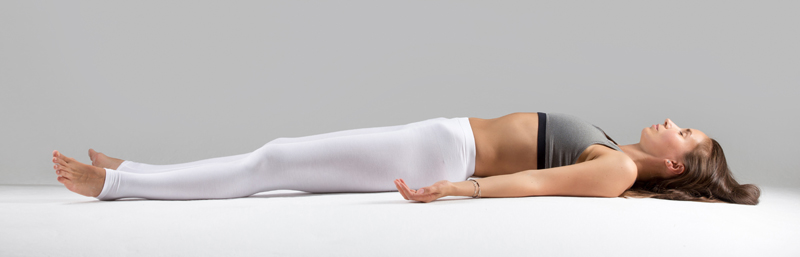
Often used at the end of a yoga session, Savasana is a deep relaxation pose that helps the body integrate the benefits of your practice.
- How to do it:
- Lie flat on your back with your arms at your sides, palms facing up.
- Close your eyes and focus on your breath.
- Stay in this pose for 5-10 minutes.
- Benefits:
- Promotes deep relaxation and reduces anxiety.
- Lowers blood pressure and heart rate.
3. Cat-Cow Pose (Marjaryasana-Bitilasana)
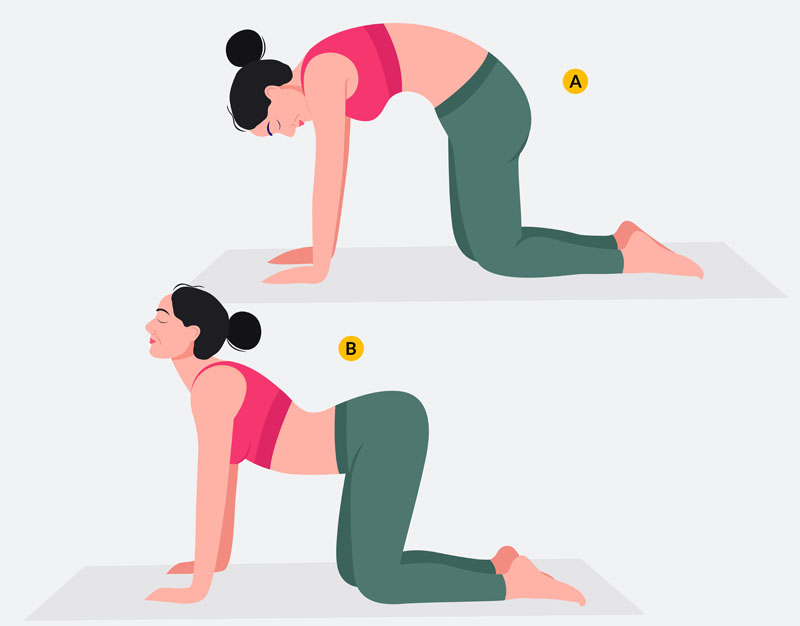
This dynamic pose helps release tension in the spine and promotes a gentle flow of energy.
- How to do it:
- Begin on your hands and knees in a tabletop position.
- Inhale, arch your back (Cow Pose), and lift your head and tailbone.
- Exhale, round your spine (Cat Pose), and tuck your chin to your chest.
- Repeat for 5-10 breaths.
- Benefits:
- Improves flexibility and relieves back pain.
- Synchronizes breath with movement, calming the mind.
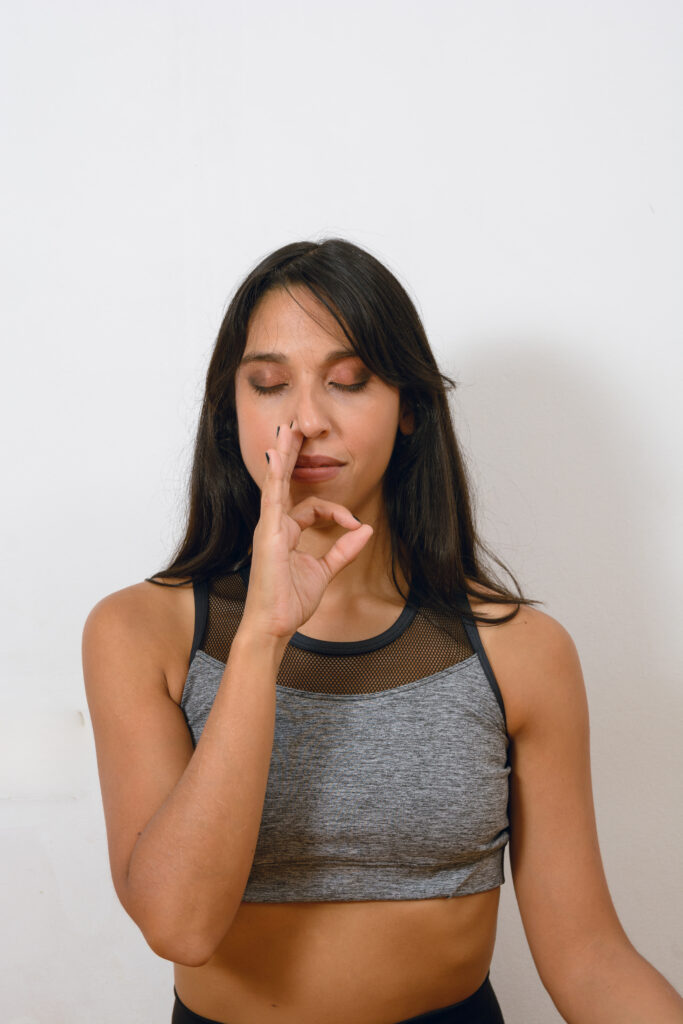
4. Alternate Nostril Breathing (Nadi Shodhana)
This breathing technique balances the left and right hemispheres of the brain, promoting mental clarity and calmness.
- How to do it:
- Sit comfortably with your spine straight.
- Use your thumb to close your right nostril and inhale through your left nostril.
- Close your left nostril with your ring finger, release your thumb, and exhale through your right nostril.
- Repeat for 5-10 minutes.
- Benefits:
- Reduces anxiety and stress.
- Enhances focus and mental clarity.
The Science Behind Yoga and Stress Relief
Scientific studies have shown that yoga reduces the levels of cortisol—the primary stress hormone—in the body. Regular practice can also increase the production of serotonin and endorphins, the “feel-good” chemicals that uplift your mood. Additionally, yoga improves heart rate variability, which is an indicator of the body’s ability to adapt to stress.
Tips for Starting Your Yoga Journey
- Start Small: Dedicate just 10-15 minutes daily to yoga and gradually increase your practice time.
- Create a Calm Environment: Practice in a quiet space with minimal distractions. Adding soothing music or incense can enhance the experience.
- Be Consistent: The key to reaping the benefits of yoga is consistency. Even short sessions can make a big difference when done regularly.
- Listen to Your Body: Yoga is about self-awareness. Avoid pushing yourself into uncomfortable poses and respect your body’s limits.
Final Thoughts
Yoga is more than just an exercise; it’s a lifestyle that fosters physical, mental, and emotional well-being. By incorporating yoga into your daily routine, you can create a safe space to release stress, manage anxiety, and cultivate inner peace. So, roll out your yoga mat, take a deep breath, and embark on this transformative journey.